|
Subscriber Full Name ͏ ͏ ͏ ͏ ͏ ͏ ͏ ͏ ͏ ͏ ͏ ͏ ͏ ͏ ͏ ͏ ͏ ͏ ͏ ͏ ͏ ͏ ͏ ͏ ͏ ͏ ͏ ͏ ͏ ͏ ͏ ͏ ͏ ͏ ͏ ͏ ͏ ͏ ͏ ͏ ͏ ͏ ͏ ͏ ͏ ͏ ͏ ͏ ͏ ͏ ͏ ͏ ͏ ͏ ͏ ͏ ͏ ͏ ͏ ͏ ͏ ͏ ͏ ͏ ͏ ͏ ͏ ͏ ͏ ͏ ͏ ͏ ͏ ͏ ͏ ͏ ͏ ͏ ͏ ͏ ͏ ͏ ͏ ͏ ͏ ͏ ͏ ͏ ͏ ͏ ͏ ͏ ͏ ͏ ͏ ͏ ͏ ͏ ͏ ͏ ͏ ͏ ͏ ͏ ͏ ͏ ͏ ͏ ͏ ͏ ͏ ͏ ͏ ͏ ͏ ͏ ͏ ͏ ͏ ͏ ͏ ͏ ͏ ͏ ͏ ͏ ͏ ͏ ͏ ͏ ͏ ͏ ͏ ͏ ͏ ͏ ͏ ͏ ͏ ͏ ͏ ͏ ͏ ͏ ͏ ͏ ͏ ͏ ͏ ͏ ͏ ͏ ͏ ͏ ͏ ͏ ͏ ͏ ͏ ͏ ͏ ͏ ͏ ͏ ͏ ͏ ͏ ͏ ͏ ͏ ͏ ͏ ͏ ͏ ͏ ͏ ͏ ͏ ͏ ͏ ͏ ͏ ͏ ͏ ͏ ͏ ͏ ͏ ͏ ͏ ͏ ͏ ͏ ͏ ͏ ͏ ͏ ͏ ͏ ͏ ͏ ͏ ͏ ͏ ͏ ͏ ͏ ͏ ͏ ͏ ͏ ͏ ͏ ͏ ͏ ͏ ͏ ͏ ͏ ͏ ͏ ͏ ͏ ͏ ͏ ͏ ͏ ͏ ͏ ͏ ͏ ͏ ͏ ͏ ͏ ͏ ͏ ͏ ͏ ͏ ͏ ͏ ͏ ͏ ͏ ͏ ͏ ͏ ͏ ͏ ͏ ͏ ͏ ͏ ͏
TDARFAC NewsletterSolving Critical Conservation Problems Issue 4 | Spring 2025
|
2025 CONSERVATION GRANT RECIPIENTS • FIRST WOMEN & CHILDREN MOBILE CLINIC • BUILDING NEW WOMEN & CHILDREN’S HEALTH CENTER WITH OUR PARTNERS • Drs ANGE & DONOVAN LEMUR HUSBANDRY INTERNSHIP • JHOANNY’S JOURNEY IN FOREST RESTORATION TRAINING • LEMUR ORNAMENTS SUPPORTING REFORESTATION
|
Congratulations to the 2025 conservation grant recipients!
|
|
Every year, TDARFAC supports young conservation leaders who are working to protect endangered animals and the places they call home. In 2025, we’re proud to support seven new grantees from across Madagascar, Bangladesh, Panama, and China, each with a project rooted in their community and local environment. From planting trees to studying rare monkeys, these projects show how smart ideas, local action, and deep care for nature can make a big difference. These seven projects show that conservation doesn’t always mean big budgets — it starts with local people, big hearts, and a love for nature. Have a quick look at the inspiring work they’ll be doing this year. Visit our Grants & Award webpage to learn more about our grant funding program to support exceptional and promising conservation projects around the globe.
|
Bringing health at the heart of the forest during the first Women & Children’s Mobile Outreach Clinic
|
|

|
In February 2025, The Mad Dog Initiative (MDI) and TDARFAC launched its first mobile outreach clinic to serve women and children living near protected forests in the Commune of Andasibe. |
|
|
|
|
The five-day campaign, led in partnership with Marie Stopes Madagascar (MSM) and the Centre de Santé de Base II (CSB II) Andasibe, brought free healthcare services directly to the villages of Sarango, Andasifahadimy, Mahatsara, and surrounding communities. |
|

|
|
|
|

|
“Conservation goes beyond protecting the land - it’s about uplifting communities.” - TDARFAC & MDI Teams
|
|
|
|
|
Together with our partners, we could offer to people cares: Vaccinations for children under five Malaria testing and treatment Malnutrition screening and follow-up Cervical cancer screening Family planning, including long-term contraception
|
|

|
|
|
|
Despite the challenging journey - as teams crossed swollen rivers, hiked muddy trails under the rain, and walked long distances to reach remote areas - the medical teams reached hundreds of residents. Results: 50 children were found healthy but showed signs of possible intestinal worm infections. 1 child, aged 6, tested positive for malaria and was treated immediately. A 15-month child was diagnosed with critical malnutrition and received nutrition aid. 10 women chose long-term contraception (implants). No cases of cervical cancer were found among screened women.
Healthcare and conservation are deeply connected. When people feel safe and supported, they become stronger allies in protecting nature. This first successful health mobile clinic has shown promising impact, and we are proud to have made it possible, as we are committed to putting people and ecosystems at the center of conservation. A huge thank you to The Mad Dog Initiative (MDI), Marie Stopes Madagascar, Centre de Santé de Base II Andasibe, and Mitsinjo Association for this great collaboration. Want to support our future outreach? Contact us at abby.ross@forappliedconservation.org
|
A new chapter begins: Building a Women & Children’s Health & Education Facility
|
|
|

|
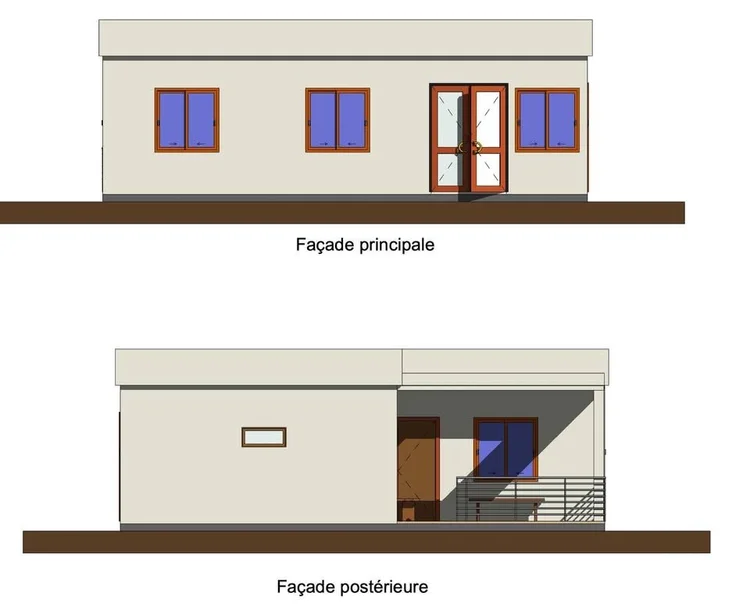
In Andasifahadimy, Commune of Andasibe, a new and hopeful project is taking root: the construction of a dedicated facility for women and children’s health and education. This initiative reflects a growing community desire: to bring essential services closer to the people, especially in remote areas but nearby the forests. |
|
|
|
Led by MDI, TDARFAC, and also supported by strong local partnerships, this center will respond to essential needs in an area where access to basic services remains hard. The story began with a small but meaningful meeting on December 10, 2024, between all partners and the Tangalamena (village elder) of Andasifahadimy. On January 25, 2025, a larger public meeting gathered residents of Andasifahadimy and Sarango, government officials, and local partners. During this meeting, the community officially pledged to donate land for the center, both verbally and in writing. A formal meeting report was signed with participation from the Commune of Andasibe and the Fokontany of Anevoka, The Mad Dog Initiative, Association Mitsinjo, NGO L’Homme et l’Environnement, and the local company Soatsiry. "Many have promised to build such an infrastructure to support our community—but none of those promises ever came true. We now give our blessing to TDARFAC and place our trust in them, believing that this time, our hopes will not be in vain." — Residents of Andasifahadimy
Project highlightsLand donated by the community Formal community and government approval Endorsements from the District Medical Inspector of Moramanga and the Head Doctor of CSB II of Andasibe A construction grant approved by Seacology in March 2025 Detailed construction plans completed Administrative steps for permits underway
Next stepConstruction is set to begin in the coming months, with ongoing collaboration from the local community and integral partners like MDI. This center will offer more than medical services. It will provide safety, education, and empowerment for women and children living near protected areas. We would like to thank Seacology for making this possible.
|
From Madagascar to Florida: Drs Ange and Donovan’s lemur husbandry internship at LCF
|
|

|
The 3-month training began at the Lemur Conservation Foundation (LCF) in Myakka City, Florida with basics of lemur husbandry and behavioral observation, nutrition plans adapted to each species, and identification and response to abnormal or stress-related behaviors. Later, the vets learned about mother-infant bonding and neonatal care, veterinary work alongside the Zoo Medicine Team at the Small Animal Hospital. The training also involves collaborations with Naples Zoo and Operation Catnip, in Gainesville. |
|
|
|

|
Drs. Donovan and Ange’s internship is more than a training, it’s a direct investment in Madagascar’s capacity to care for rescued lemurs and prepare them for long-term rehabilitation. Through this hands-on experience with international teams, they are acquiring important skills in disease prevention nutrition and behavioral management. |
|
|
|

|
Their work will directly contribute to conservation efforts, particularly in addressing the challenges of the lemur pet trade and paving the way for a stronger future in lemur care and protection in Madagascar. Thank you to the Lemur Conservation Foundation and MDI for leading these efforts. “Lemur rescue and rehabilitation facilities are where second chances begin - bridging care with conservation to protect Madagascar’s vulnerable species.” - Dr Justorien Rambeloniaina, TDARFAC
|
|
|
Interview: Jhoanny’s journey in forest restoration with the Tropical Biology Association at Kibale, Uganda
|
|
We are super excited that Jhoanny Rasojivola, TDARFAC’s Field Director and Conservation Project Manager, was at Makerere University Biological Field Station (MUBFS) in Uganda, participating in the “Forest Restoration in Africa” training hosted by the Tropical Biology Association (TBA)! |
|

|
|
|
T: Did you have a chance to talk about our work? J: Yes! I presented TDARFAC’s excellent efforts in reforestation work in Andasibe and its partners in the Alaotra-Mangoro region. I was proud to show how we work with local communities, use ecological principles, and link forest health with community well-being. Many participants were interested in what’s happening in Madagascar — it felt good to connect our challenges with those of other African countries. |
|

|
|
|
TDARFAC: What motivated you to join this training and what was the focus of the course? Jhoanny: As a primatologist, I had not received in-depth training on restoration strategies before. I joined because I wanted to deepen my understanding and bring those insights back to Madagascar, where we face many reforestation challenges. The training focused on forest restoration in African ecosystems, with a mix of field visits, technical lectures, and experience-sharing. |
|

|
|
|
Held in the heart of Kibale Forest, this program brings together African conservationists to strengthen science-based restoration strategies through fieldwork, site visits, and expert-led sessions. Jhoanny was not only gaining valuable restoration expertise, but also proudly presenting TDARFAC’s work in reforestation, sharing lessons from the Alaotra-Mangoro region. This was a major step forward to expand our restoration efforts. |
|

|
|
|
|
T: What stayed with you most from the experience? J: That restoration is not just planting trees. It’s rebuilding trust between ecosystems and people. And that starts by listening, learning, and working together — something I’m committed to carrying forward.
|
Lemur ornaments supporting forest restoration
|
|
TDARFAC and MDI have partnered with Tanana Silk, a Malagasy artisan brand, to turn handcrafted lemur ornaments into a source of funding for reforestation efforts. Crafted from 100% organic silk cocoons, these ornaments honor Madagascar’s biodiversity. Iconic lemurs from the Andasibe region are featured, like Indri indri and Propithecus diadema, and the ornaments directly support local conservation work. This initiative benefits three key actors. TDARFAC and MDI will receive a portion of the proceeds to fund a forest corridor restoration project in the Andasibe region. This corridor connects two major protected areas, which are the Analamazaotra Reserve and the Andasibe Mantadia National Park. Tanana Silk is a northern Madagascar-based organization that works with silk artisans using traditional and eco-friendly materials and techniques. Retail shops and hotels that promote Malagasy craftsmanship while contributing to environmental protection.
Want to purchase a special gift?Get yours in the following locations: In Andasibe: In Antananarivo: Musée de la photographie, Andohalo Baobab Rose Shop, Antsahavola
By purchasing the ornament, you will contribute to a project that highlights how community partnerships and cultural heritage can help conservation in a sustainable and creative way.
|
Help Us Continue to Achieve Our Mission
|
|
|
|