Science. Action. Impact.
Advancing Conservation Through Research, Partnership, and Innovation
The Dr. Abigail Ross Foundation for Applied Conservation (TDARFAC) is a U.S. 501(c)(3) private operating foundation dedicated to bridging the gap between conservation science and action.
We transform scientific knowledge into practical, evidence-based solutions that conserve biodiversity and improve the well-being of communities sharing these landscapes. By integrating research, field implementation, mentorship, and strategic grant-making, we help turn scientific discoveries into measurable conservation outcomes.
Our Mission
Despite decades of progress in conservation biology, many important discoveries never make it beyond academic journals. At TDARFAC, we believe research should guide real-world decisions and produce tangible benefits for wildlife, landscapes, and people.
Working alongside local communities, conservation professionals, universities, and partner organizations, we develop, support, and evaluate initiatives designed to create meaningful and lasting change.
Our Four Pillars
Research & Innovation
We support applied research that addresses urgent conservation challenges and translates scientific knowledge into practical, evidence-based solutions.
Field Conservation
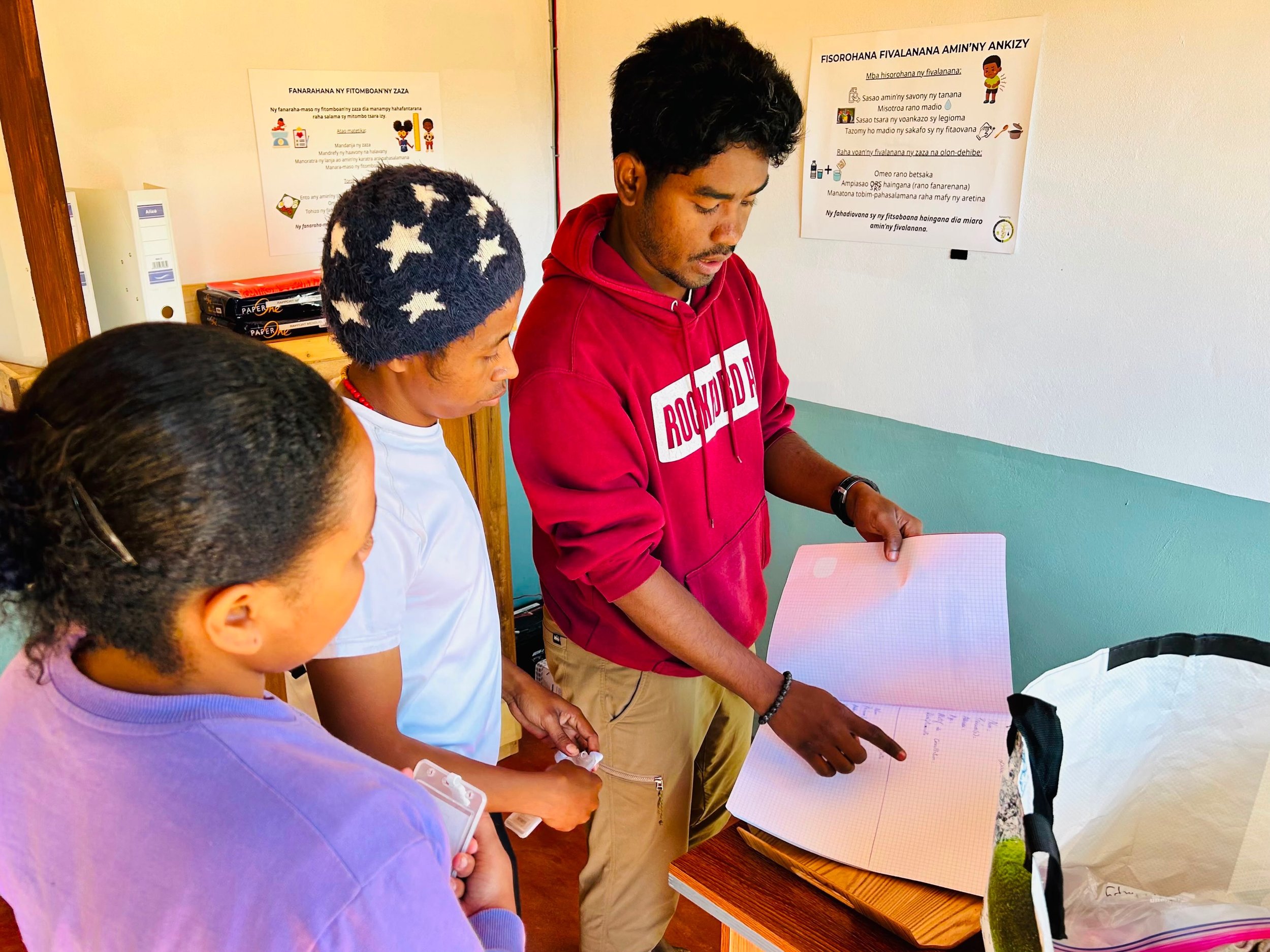
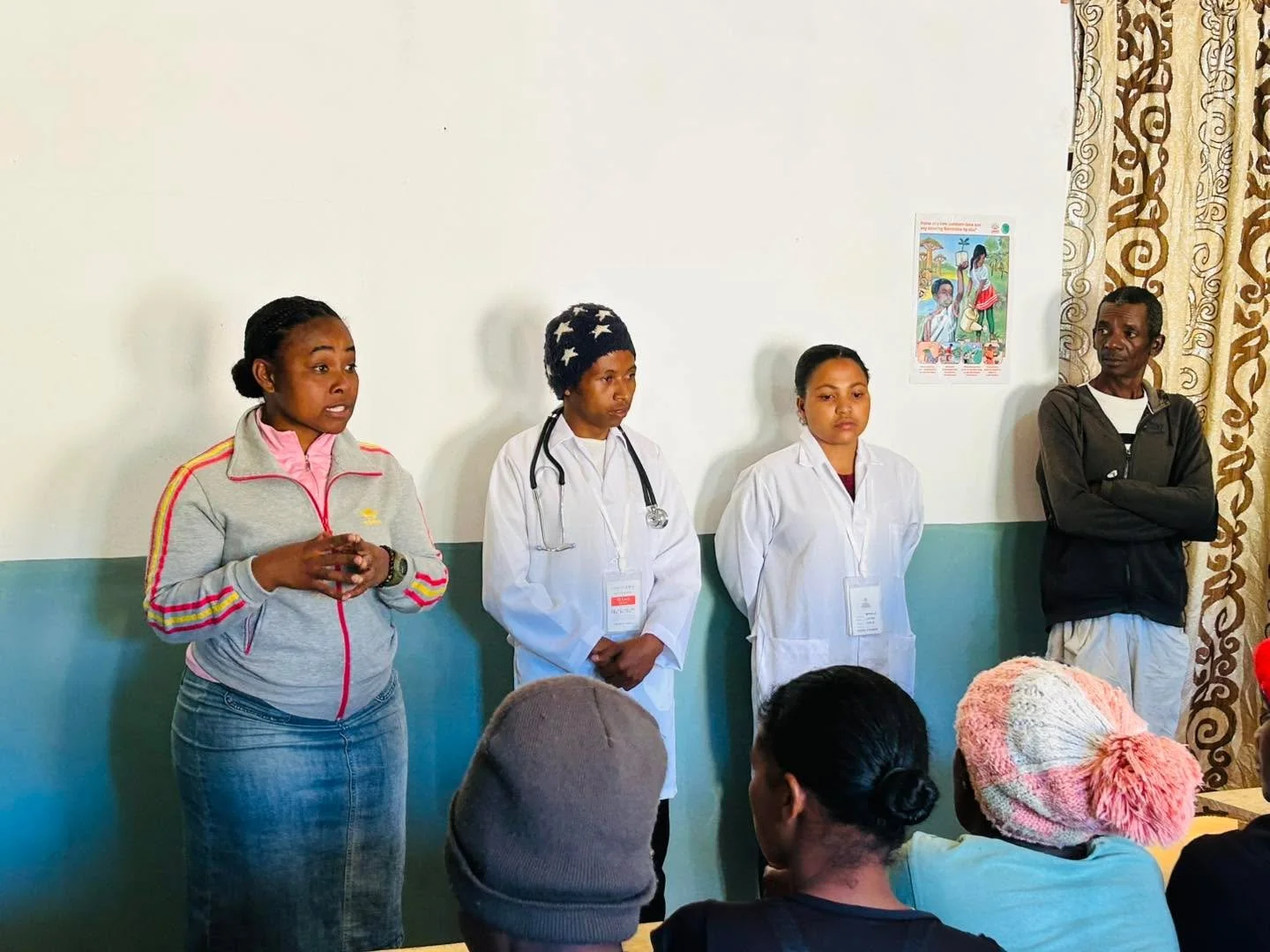
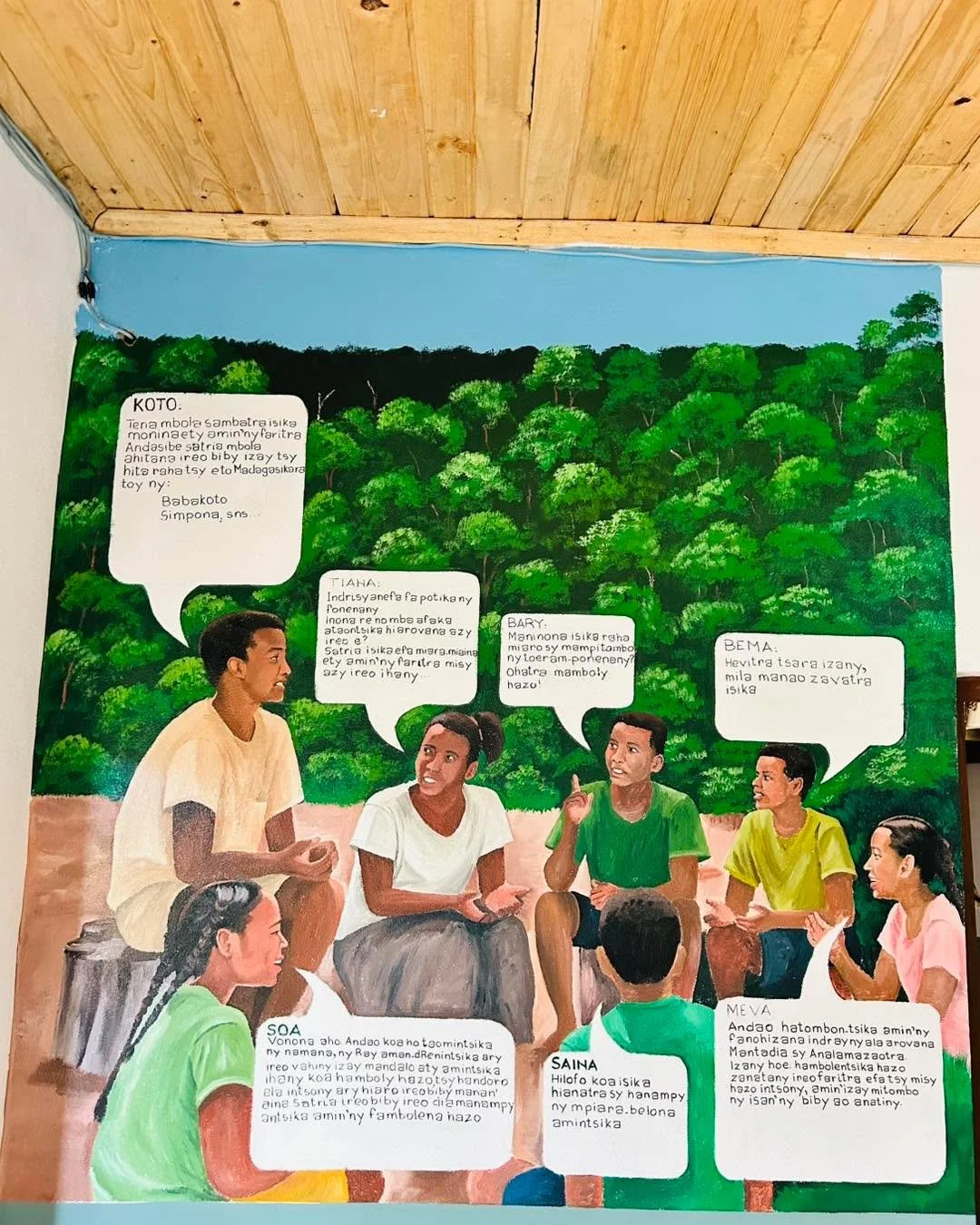
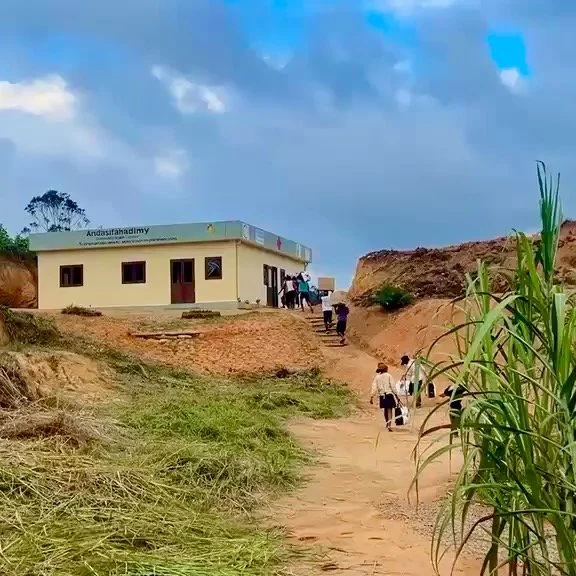
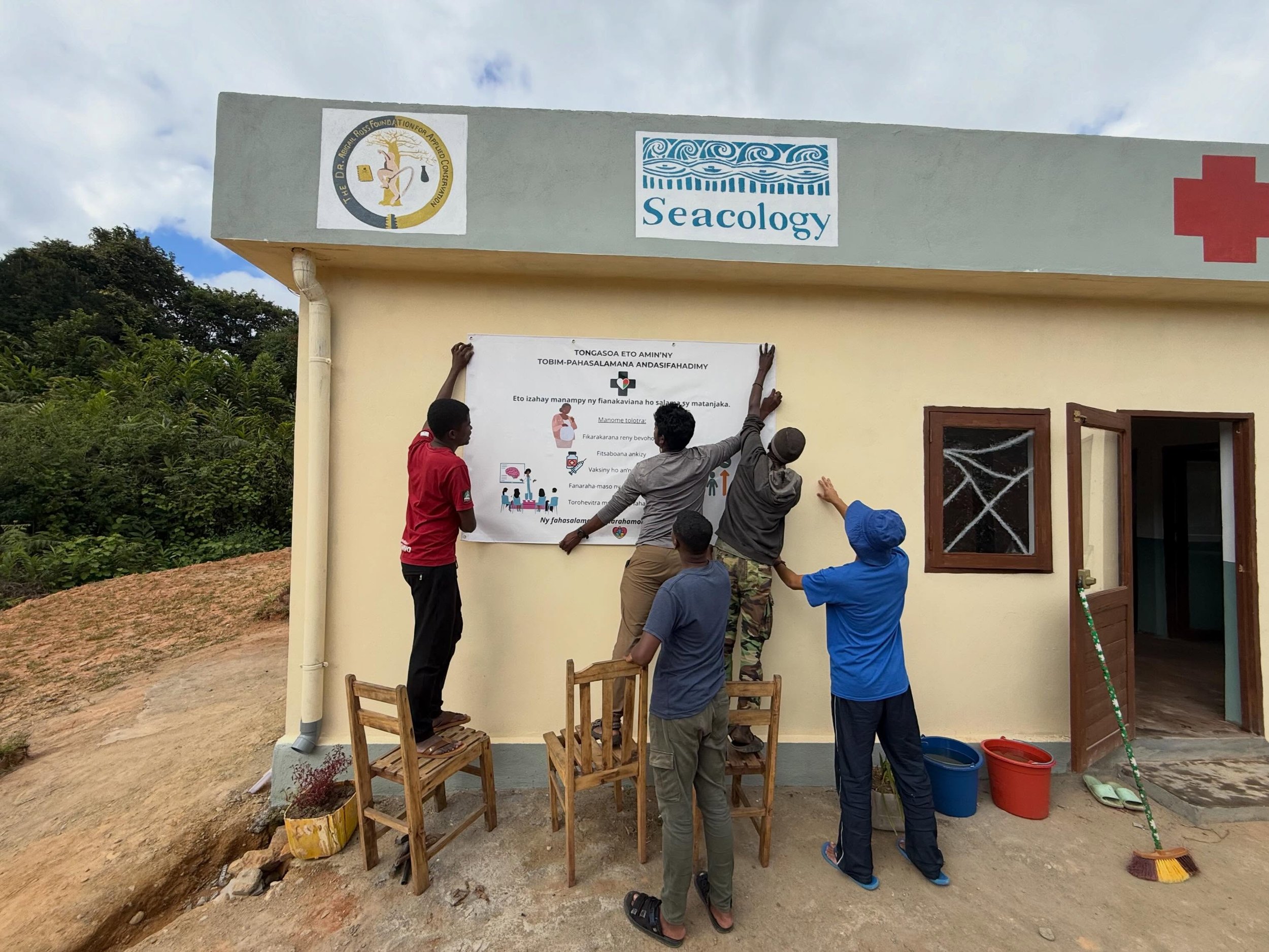
We develop and implement community-based programs that integrate biodiversity conservation, public health, education, and sustainable development through a One Health approach.
Capacity Building
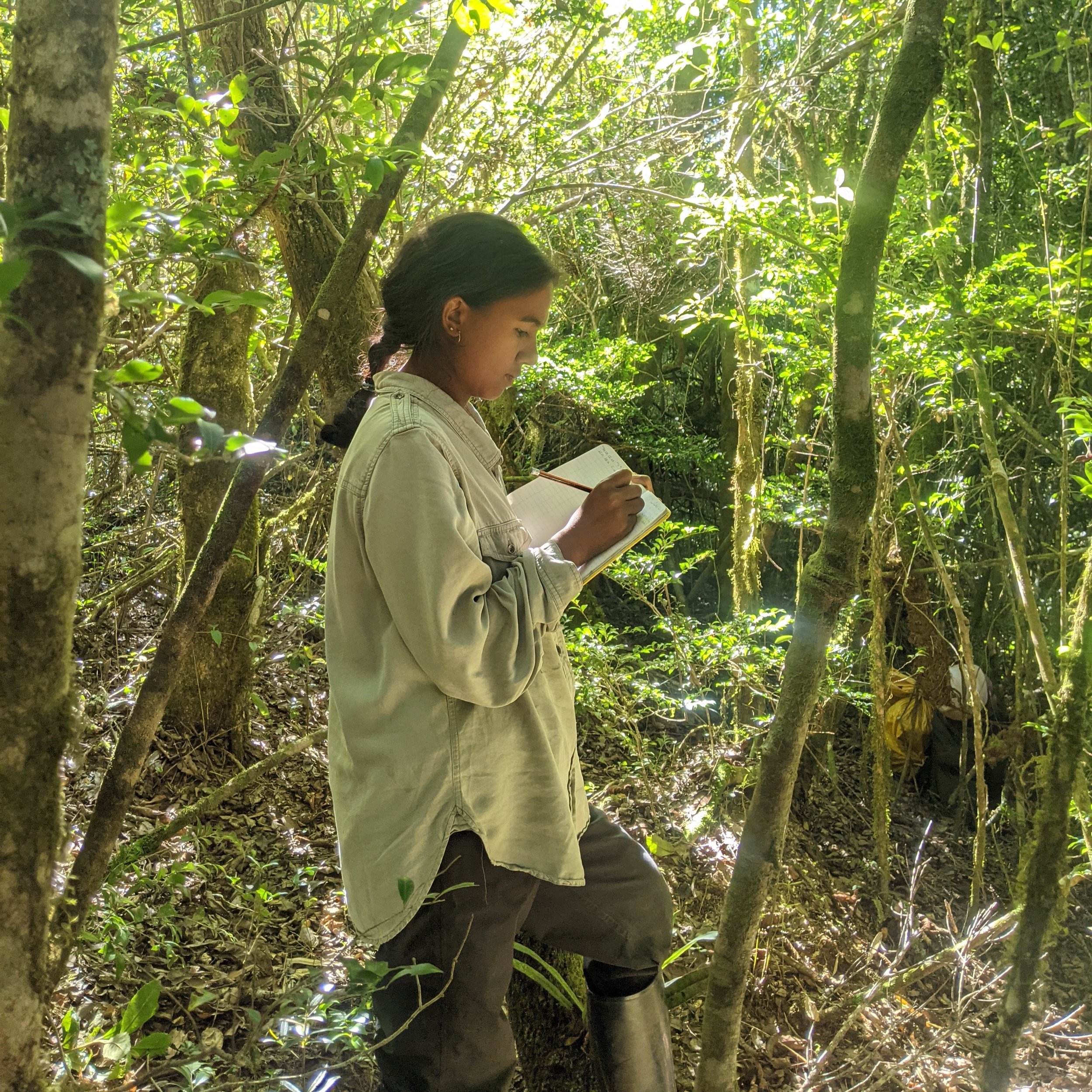
We mentor graduate students, researchers, and early-career conservation professionals in Madagascar, strengthening local leadership and building long-term scientific capacity.
Conservation Grants
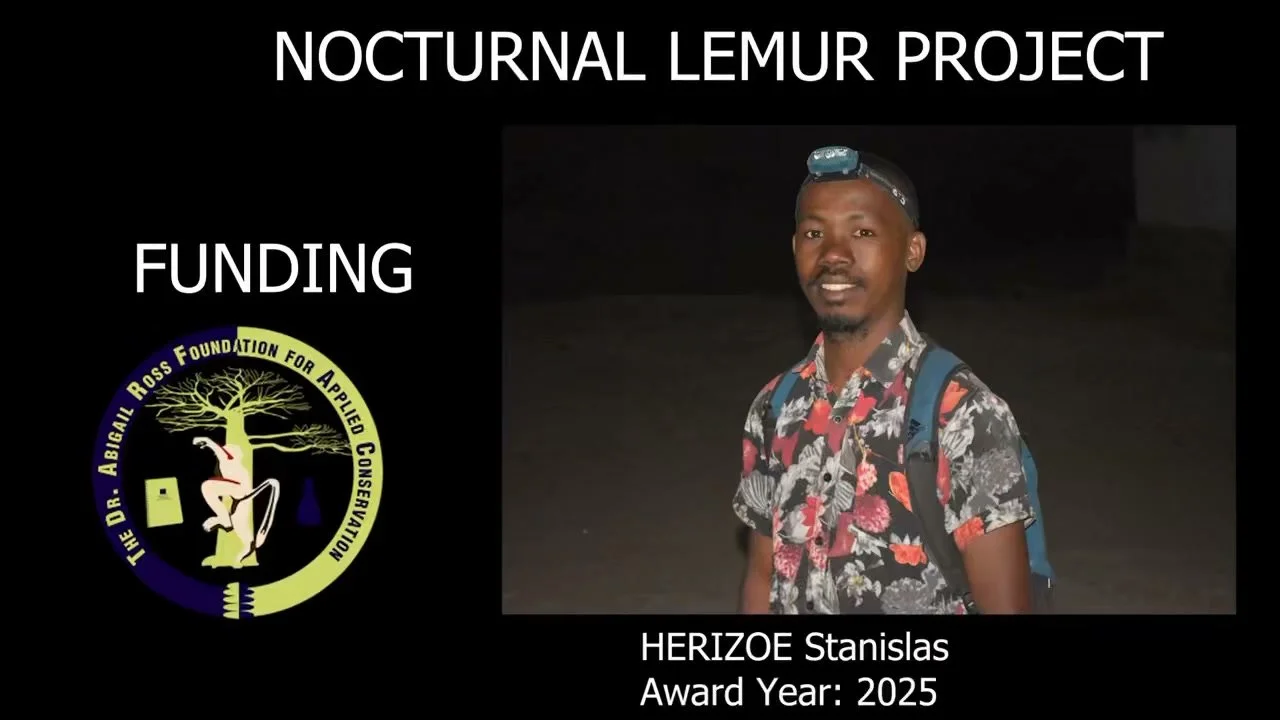
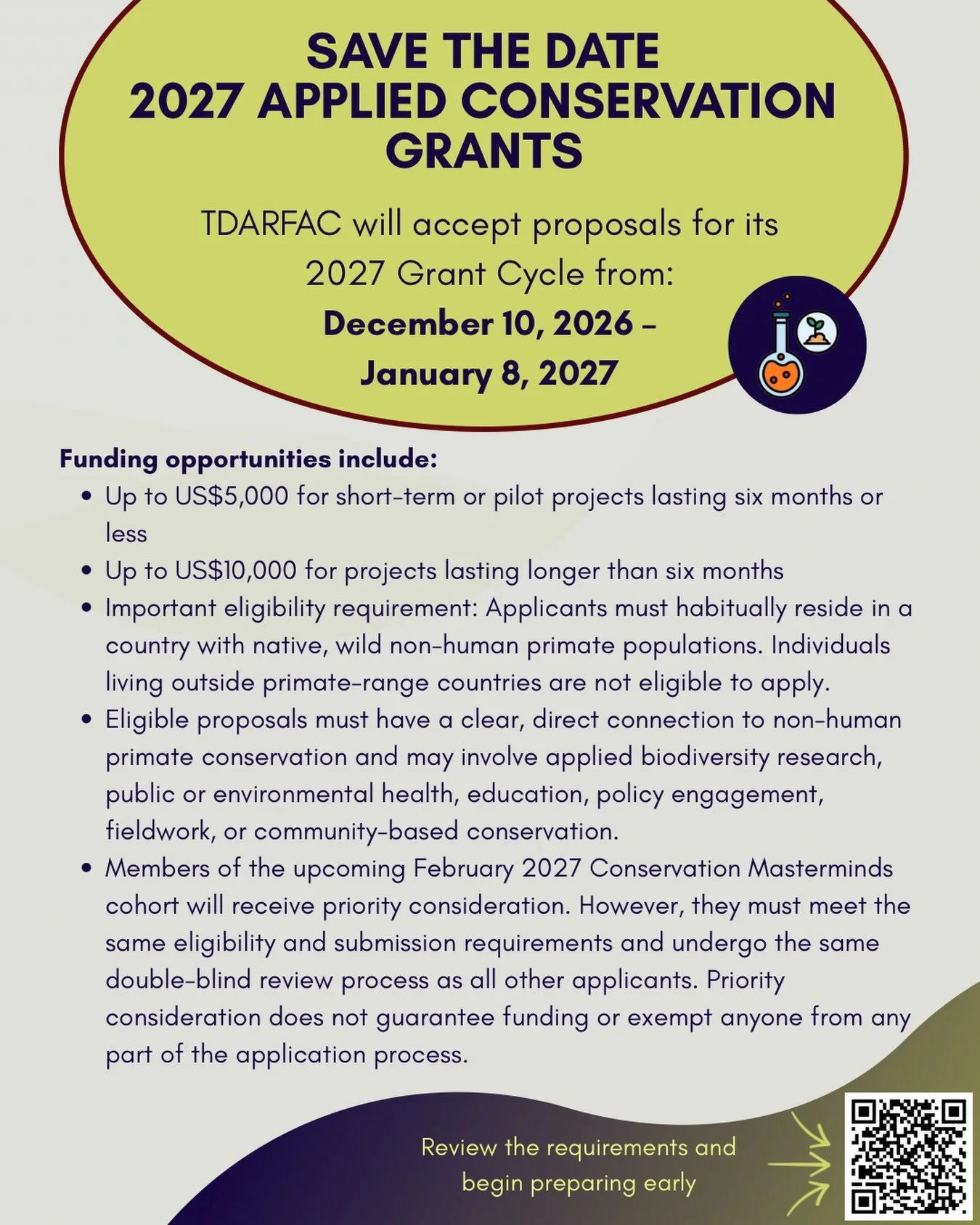
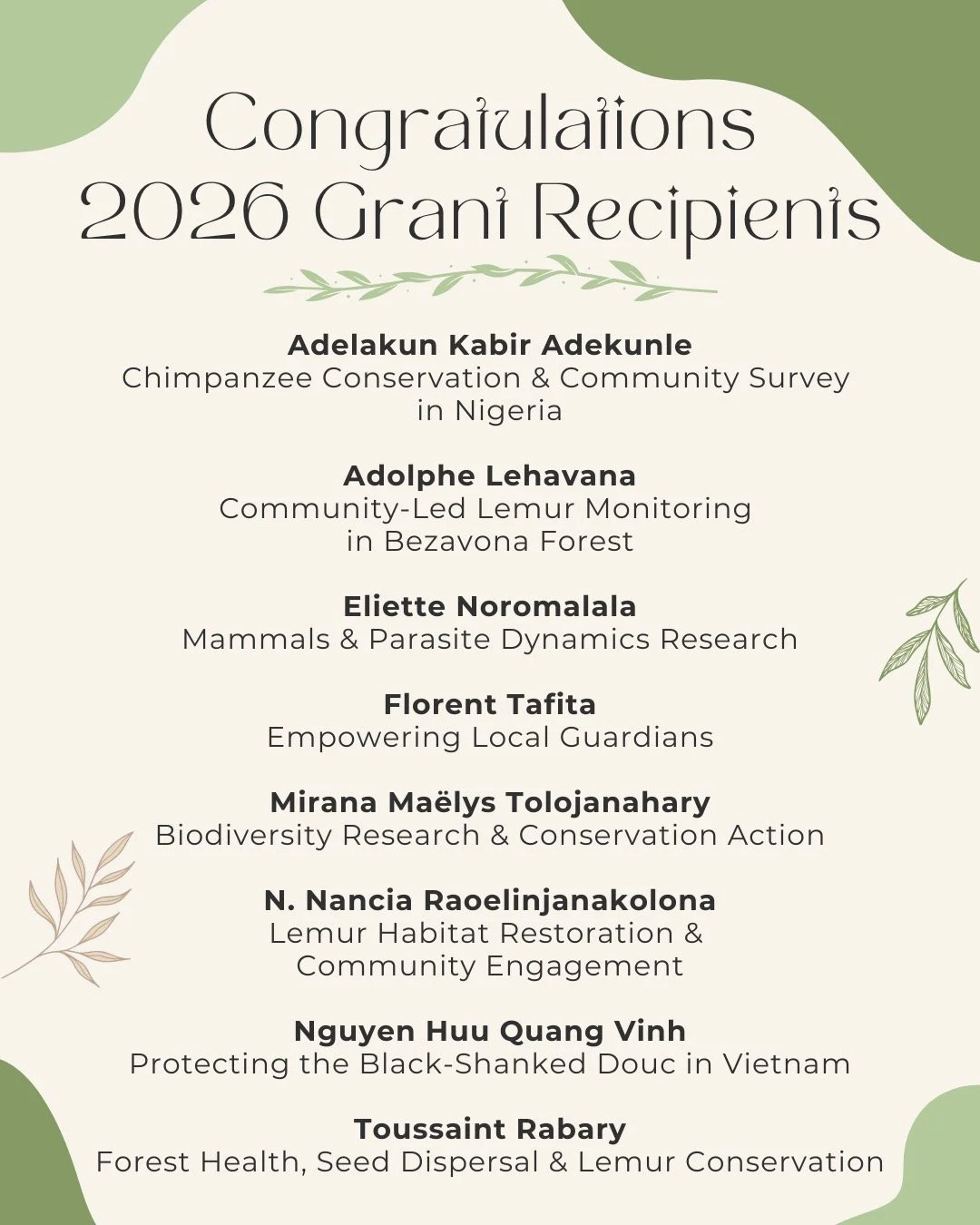
We provide competitive annual grants to conservation practitioners working across primate-range countries, supporting innovative, locally informed, and evidence-based projects.
Our Approach
Everything we support is grounded in evidence.
Whether funding research, implementing field programs, mentoring future conservation leaders, or supporting practitioners through grants, we believe conservation interventions should be evaluated using rigorous scientific methods whenever possible.
By measuring outcomes, sharing knowledge, and continually refining our approaches, we help ensure that conservation efforts deliver meaningful and lasting results.
Our work is guided by three interconnected objectives: building scientific capacity, amplifying local voices, and strengthening community-led conservation.
-
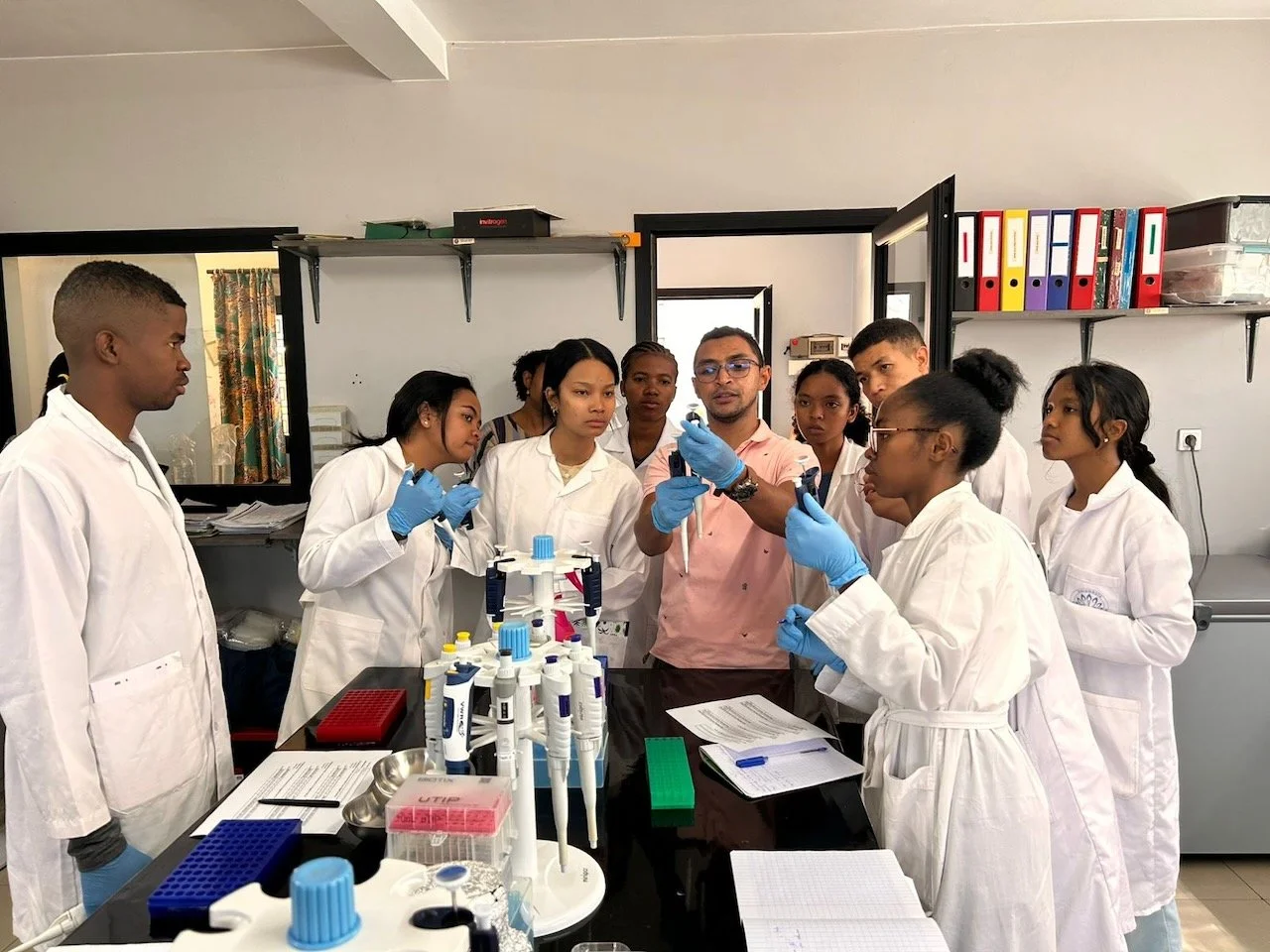
Building Capacity
We draw on the collective expertise of an international consortium of scientists and specialists to advance field-based research and community-led conservation in primate-range countries.
-
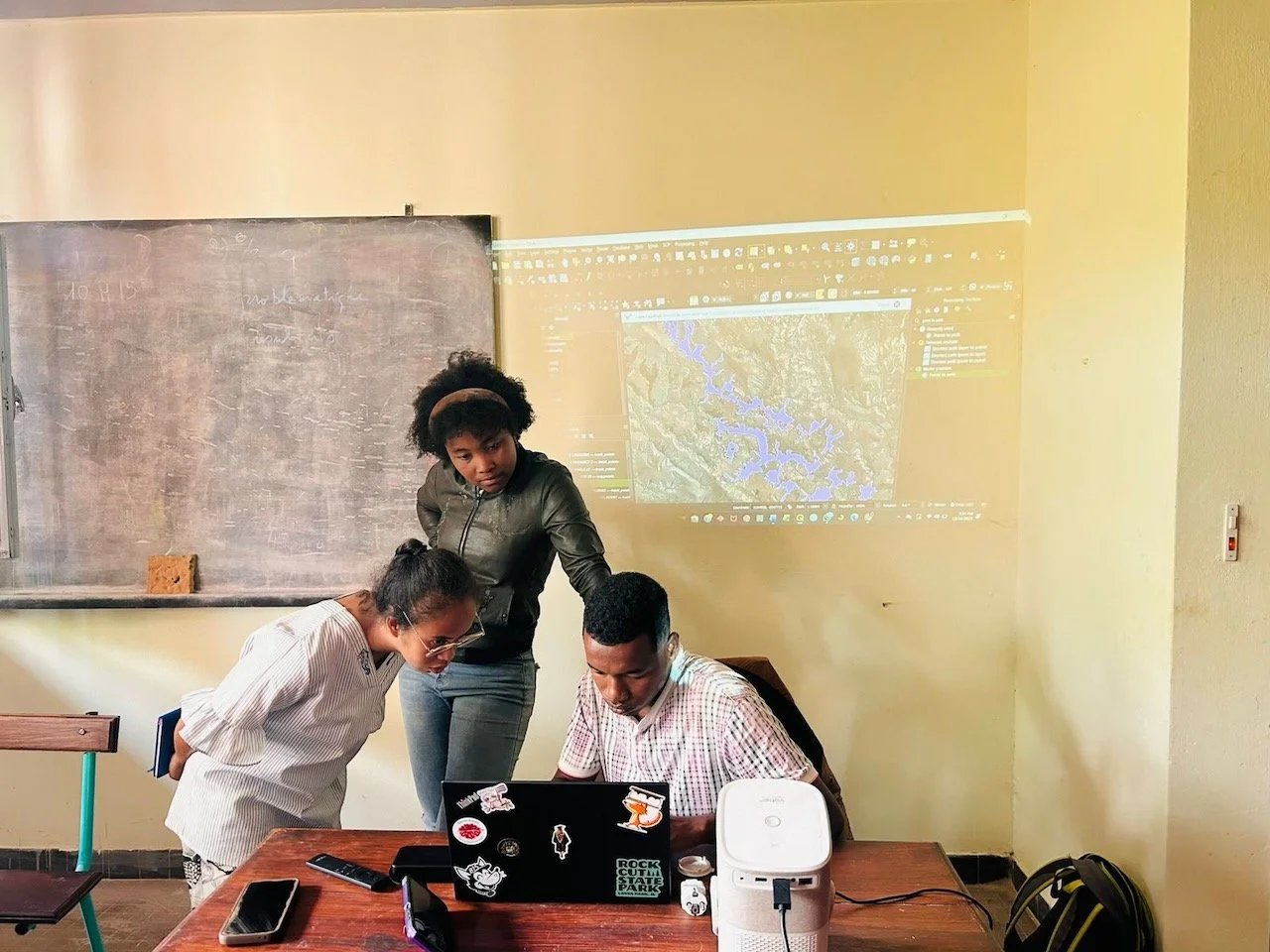
Amplifying Voices
We create opportunities for university students and early-career scientists in primate-range countries through project development, funding, mentorship, training, and professional support (Atsalis et al., 2024).
-
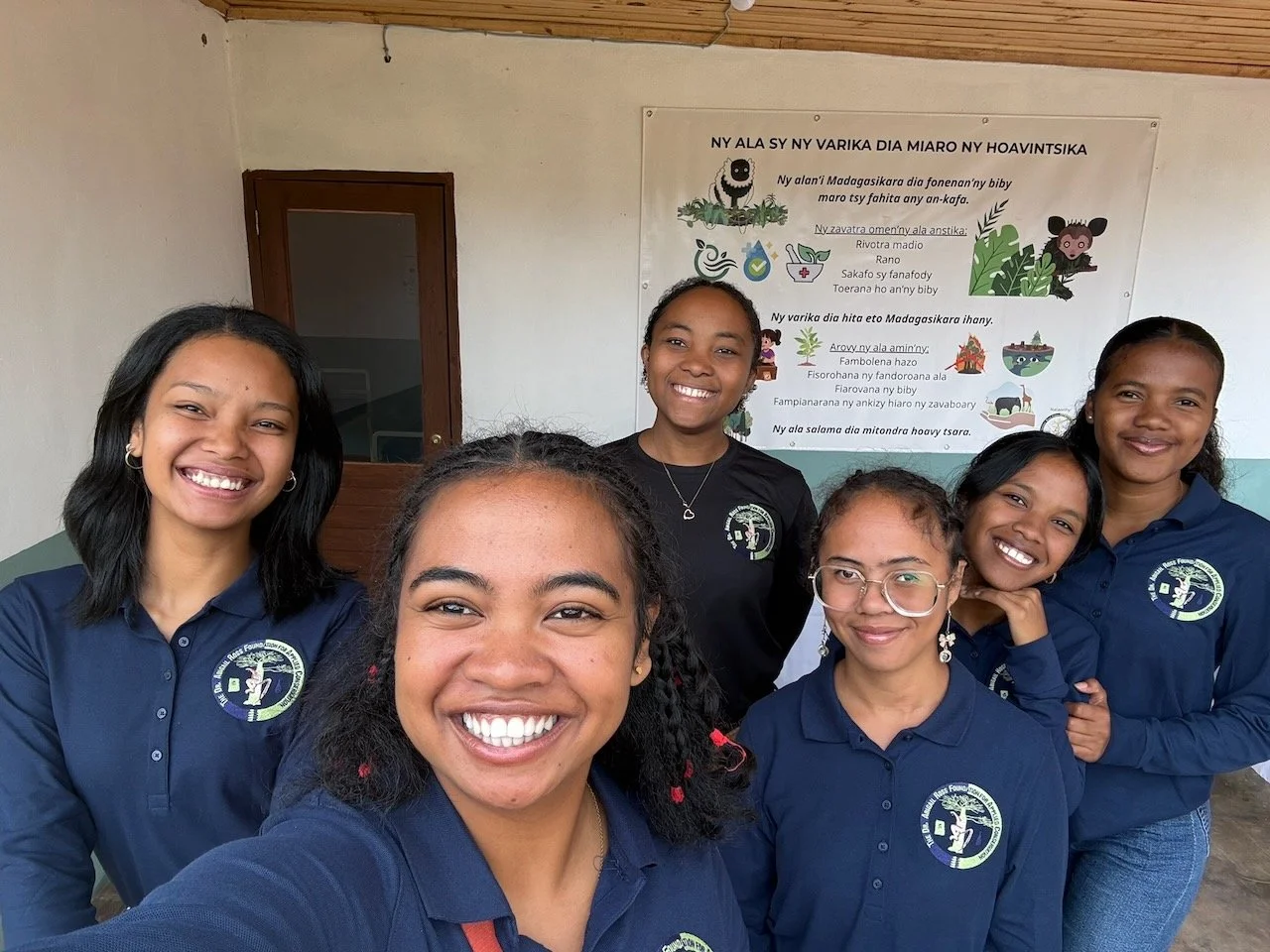
Partnering with Local Communities
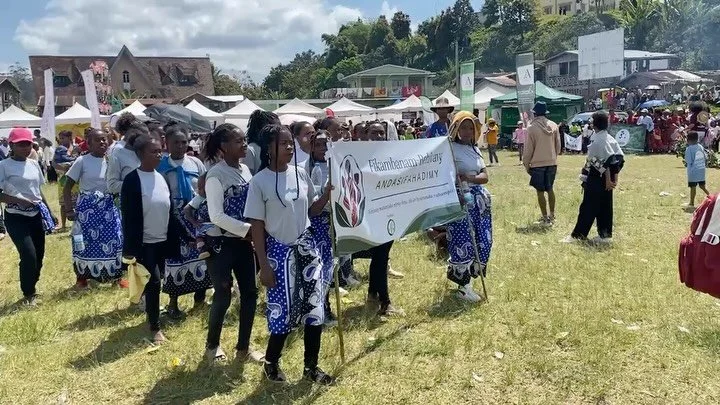
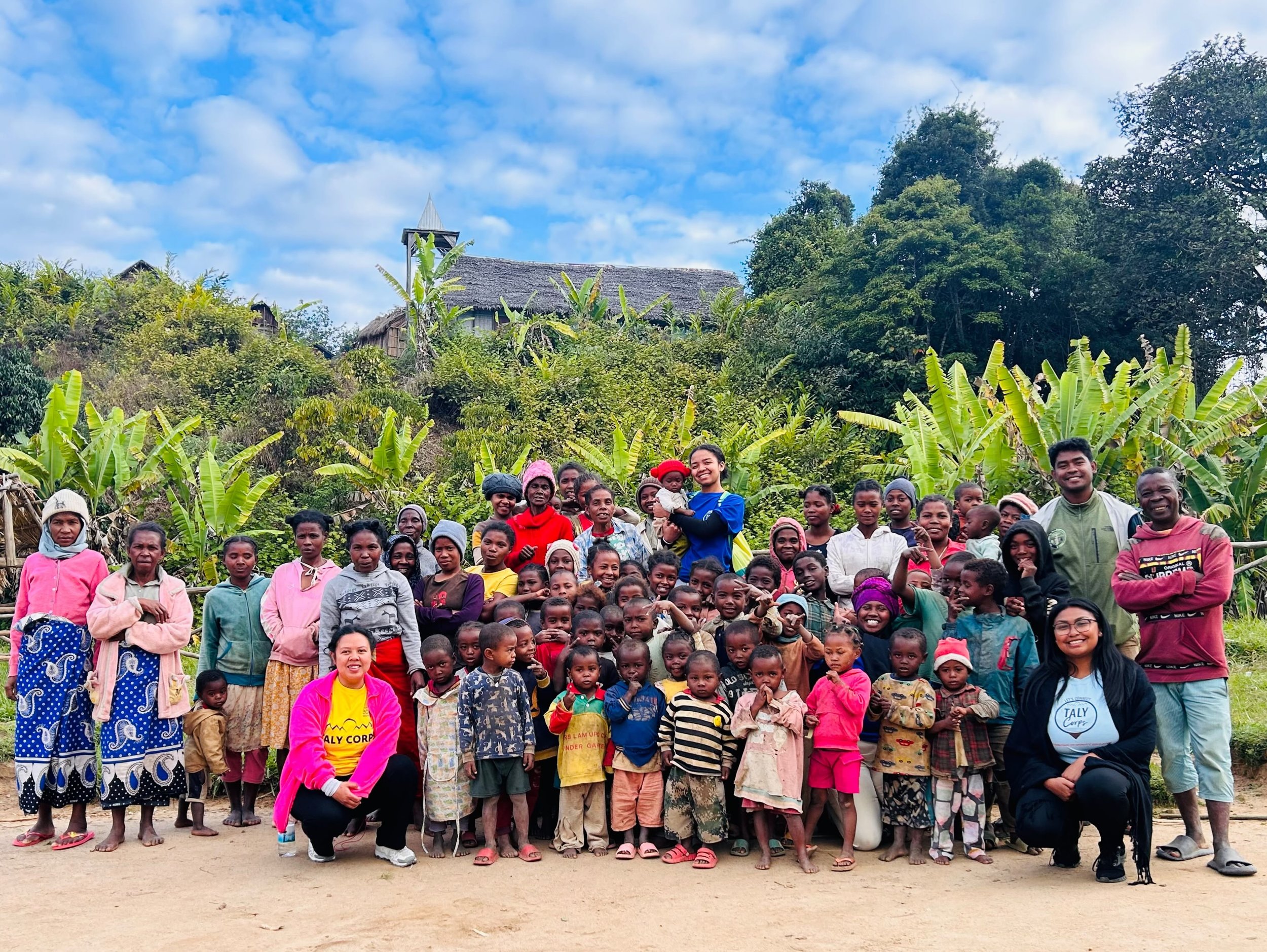
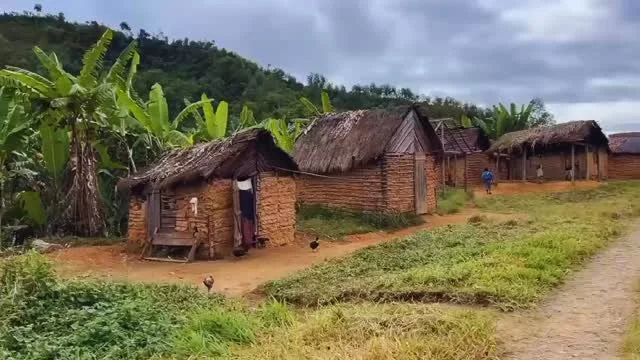
We collaborate with local communities, conservation practitioners, and nonprofit organizations to develop locally informed projects that reflect community priorities and create lasting benefits for people, wildlife, and landscapes.
Join Us
Conservation succeeds through collaboration.
Whether you are a researcher, student, conservation practitioner, donor, institutional partner, or supporter of our mission, we invite you to join us in advancing conservation through science, innovation, and action.