From Field Notes to Conservation Action: Koloina’s Research on Critically Endangered Diademed Sifakas in the Tsinjoarivo-Ambalaomby Protected Area (TAPA)
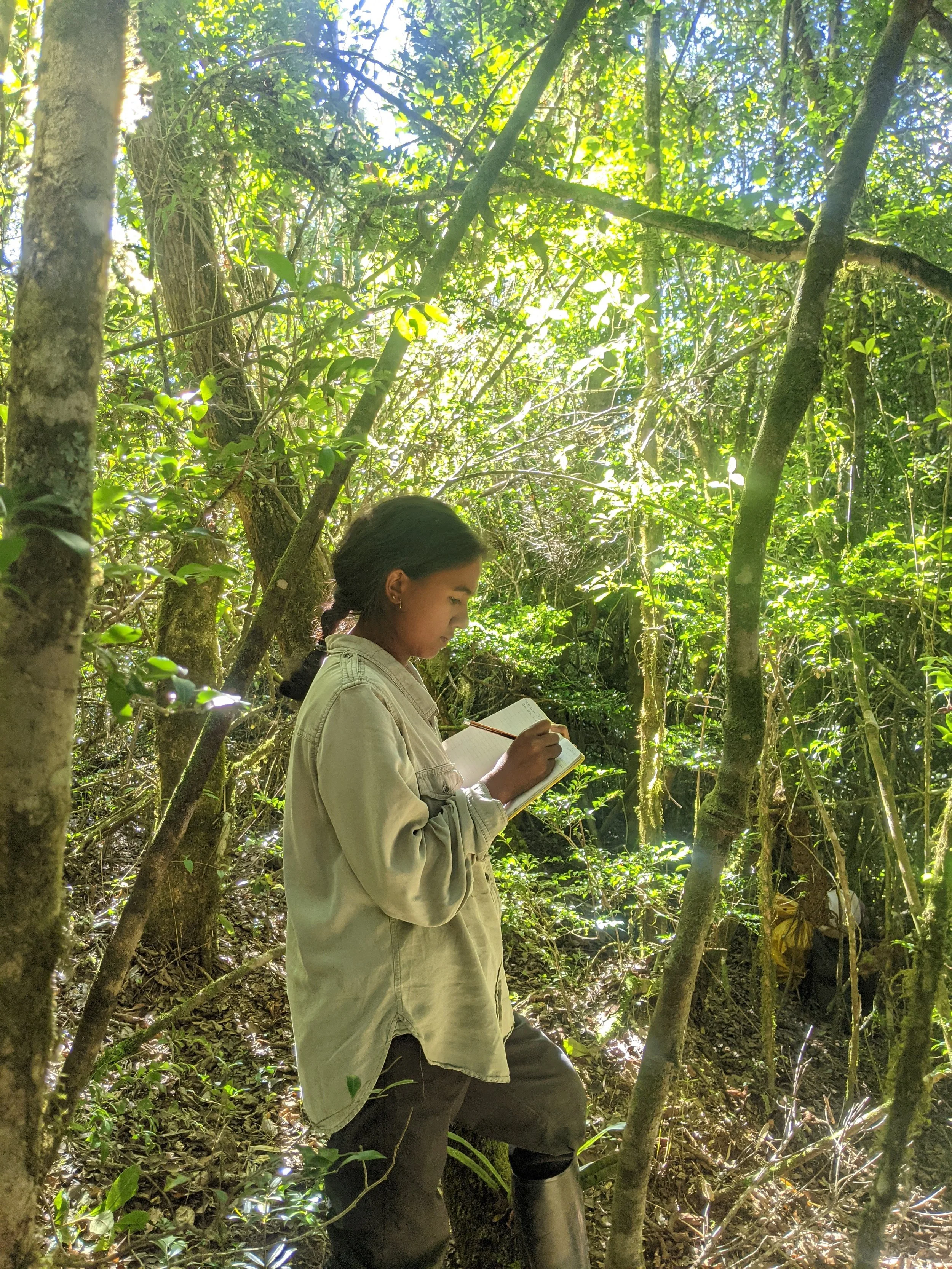
At TDARFAC, one of our greatest priorities is supporting emerging conservation leaders as they develop the skills, experience, and confidence to lead conservation efforts in Madagascar. Through our grant program, we invest in Malagasy students and early-career researchers whose work advances both scientific knowledge and practical conservation outcomes.
One such researcher is Koloina Rakotoarivelo, a PhD candidate at the University of Antananarivo, whose TDARFAC-funded research focuses on the home range use and habitat needs of the critically endangered diademed sifaka (Propithecus diadema) in the newly designated Tsinjoarivo-Ambalaomby Protected Area (TAPA).
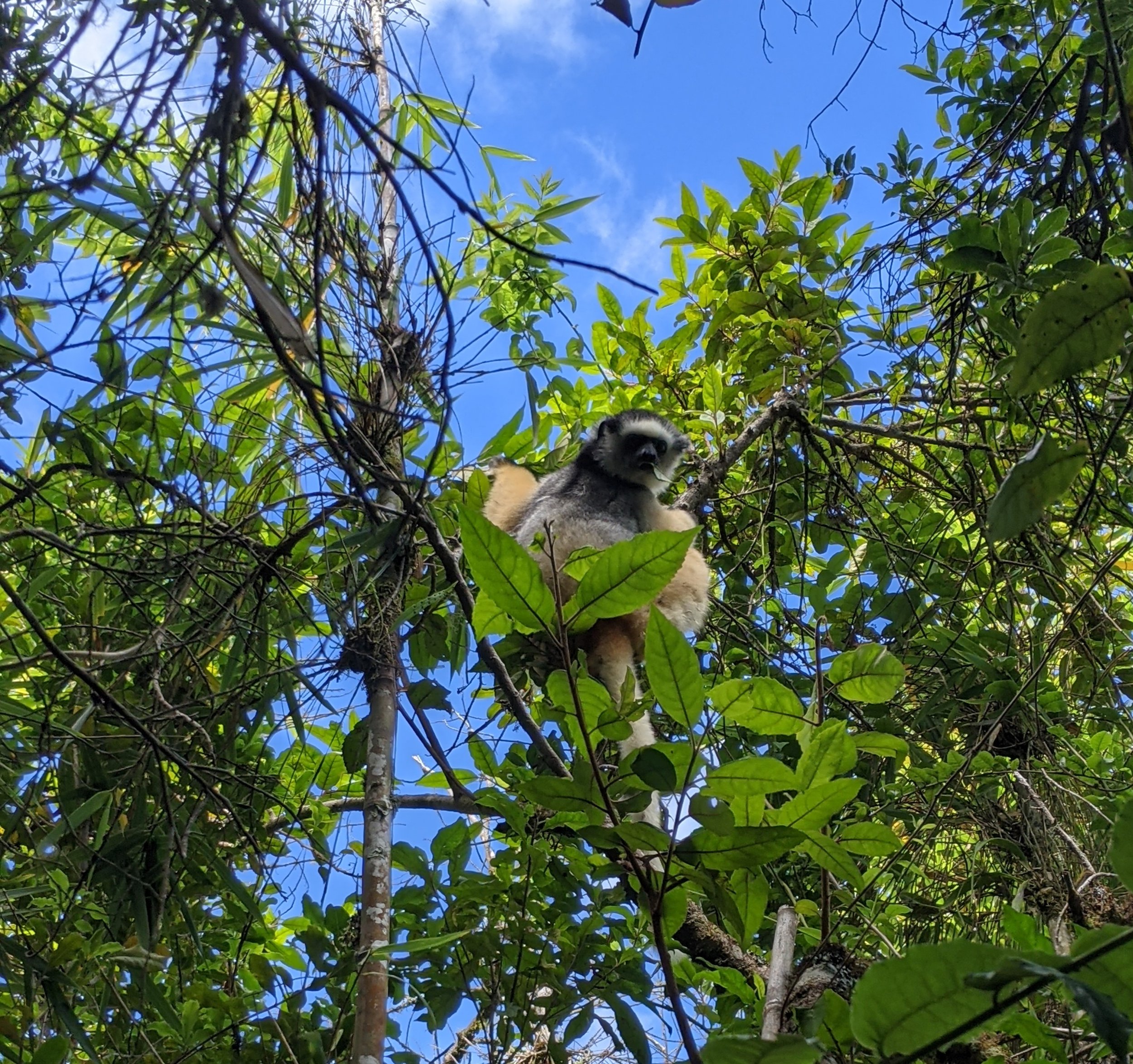
For nearly two years, Koloina has spent hundreds of days in the field following sifaka groups through both fragmented and continuous forests, collecting detailed data on their behavior, movements, feeding ecology, habitat structure, and seasonal resource use. Her research aims to better understand how environmental conditions influence where sifakas travel, what they eat, and how they adapt to changing habitats.
The scale of the project is remarkable. Koloina conducted 230 days of focal follows across five sifaka groups, established botanical plots throughout their home ranges, monitored food availability through phenology surveys, and documented seasonal changes in activity patterns and habitat use. Her work provides critical information for future habitat restoration efforts and conservation planning for one of Madagascar’s most threatened lemur species.

But the impact of Koloina’s project extends far beyond data collection.
Throughout the project, she worked closely with local guides and communities, helping build local conservation capacity while creating opportunities for community members to participate directly in research activities. She also shared preliminary findings with local stakeholders and conservation organizations, strengthening community-based conservation efforts in the region.
Recognizing that conservation success depends on future generations, Koloina organized outreach activities with secondary school students, introducing young people to biodiversity conservation and the importance of protecting Madagascar’s unique wildlife. The enthusiasm of these students demonstrates the power of connecting scientific research with environmental education.
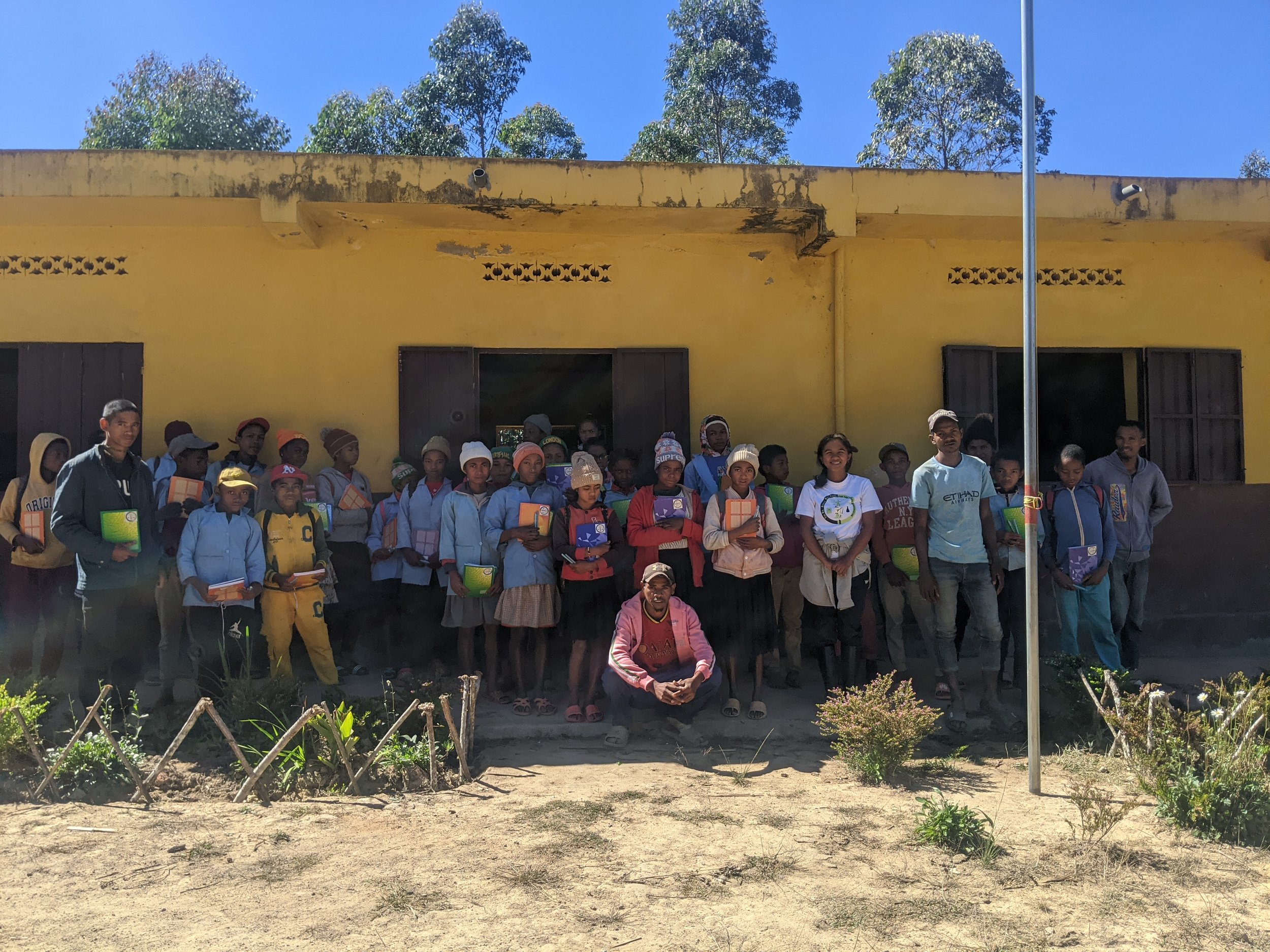
In addition, the project supported the planting of 900 eucalyptus trees alongside local communities, helping provide sustainable firewood resources and reducing pressure on native forests. Efforts like these play an important role in addressing some of the root causes of habitat degradation.

Perhaps most inspiring is Koloina herself. Whether leading outreach activities with students, collecting data deep within Madagascar’s eastern rainforests, hiking alongside local guides before dawn, or documenting the feeding behavior of wild sifakas, she represents the next generation of Malagasy conservation leadership.
The future of conservation in Madagascar depends on talented young scientists like Koloina having the opportunity to ask important questions, lead their own research, and translate science into meaningful conservation action. We are proud to support her work and look forward to seeing the impact of her research for years to come.
Congratulations, Koloina, on an outstanding project and thank you for your dedication to Madagascar’s wildlife, forests, and communities.